
Engineering circularity
Remelting metal is energy-heavy, carbon-intensive, and wasteful. Circmet’s patented screw-extrusion changes that. We’ve replaced the furnace with a low-energy, solid-state process that uses mechanical force to transform scrap without ever reaching a melting point.
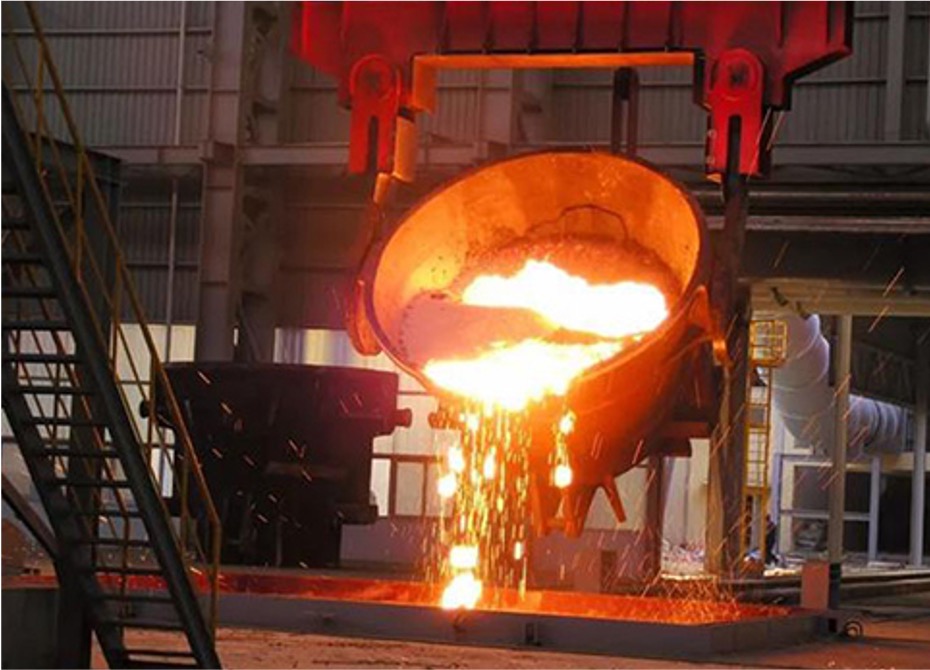
Why skip the melt?
The conventional furnace creates a massive environmental and economic burden.
- The cost: High exposure to volatile gas prices and rising carbon taxes.
- The waste: Small particles and “fines” often burn up or oxidise in a furnace, leading to significant material loss.
- The footprint: Heavy reliance on fossil fuels makes it nearly impossible to hit true net-zero targets.
The solid-state advantage
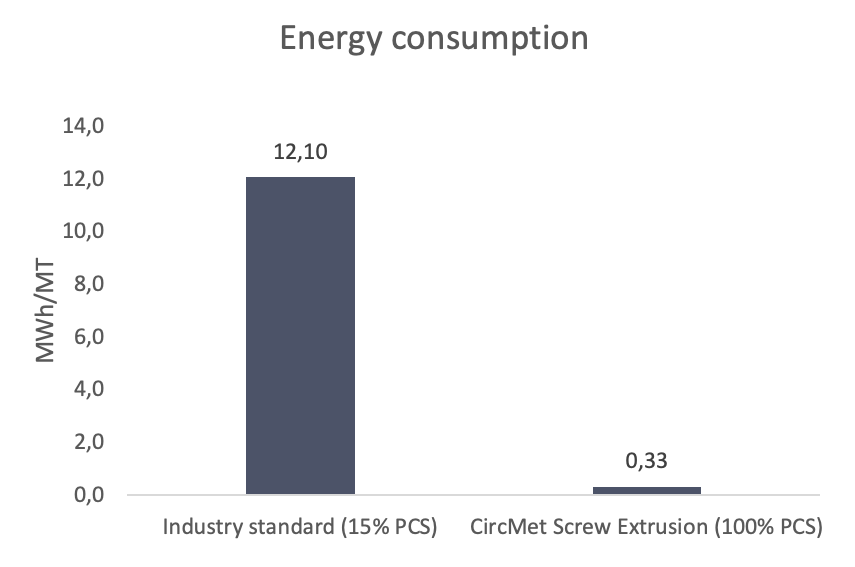
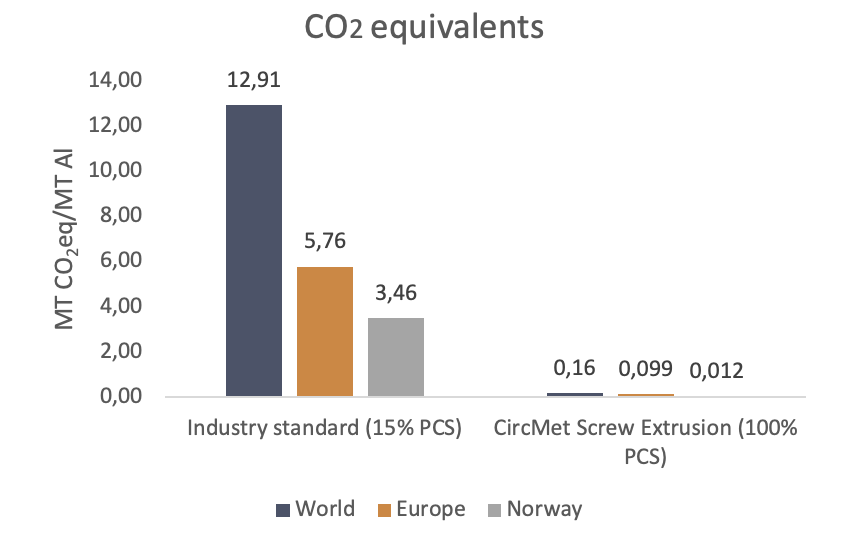
By eliminating the melting phase, we solve the core issues of cost, emissions, and quality. Our process is powered entirely by electricity, cutting energy use by up to 95% and greenhouse gases by up to 98%, depending on the product. It’s a cleaner, more stable, and more profitable way to recover metal.
How it works: Physics in action
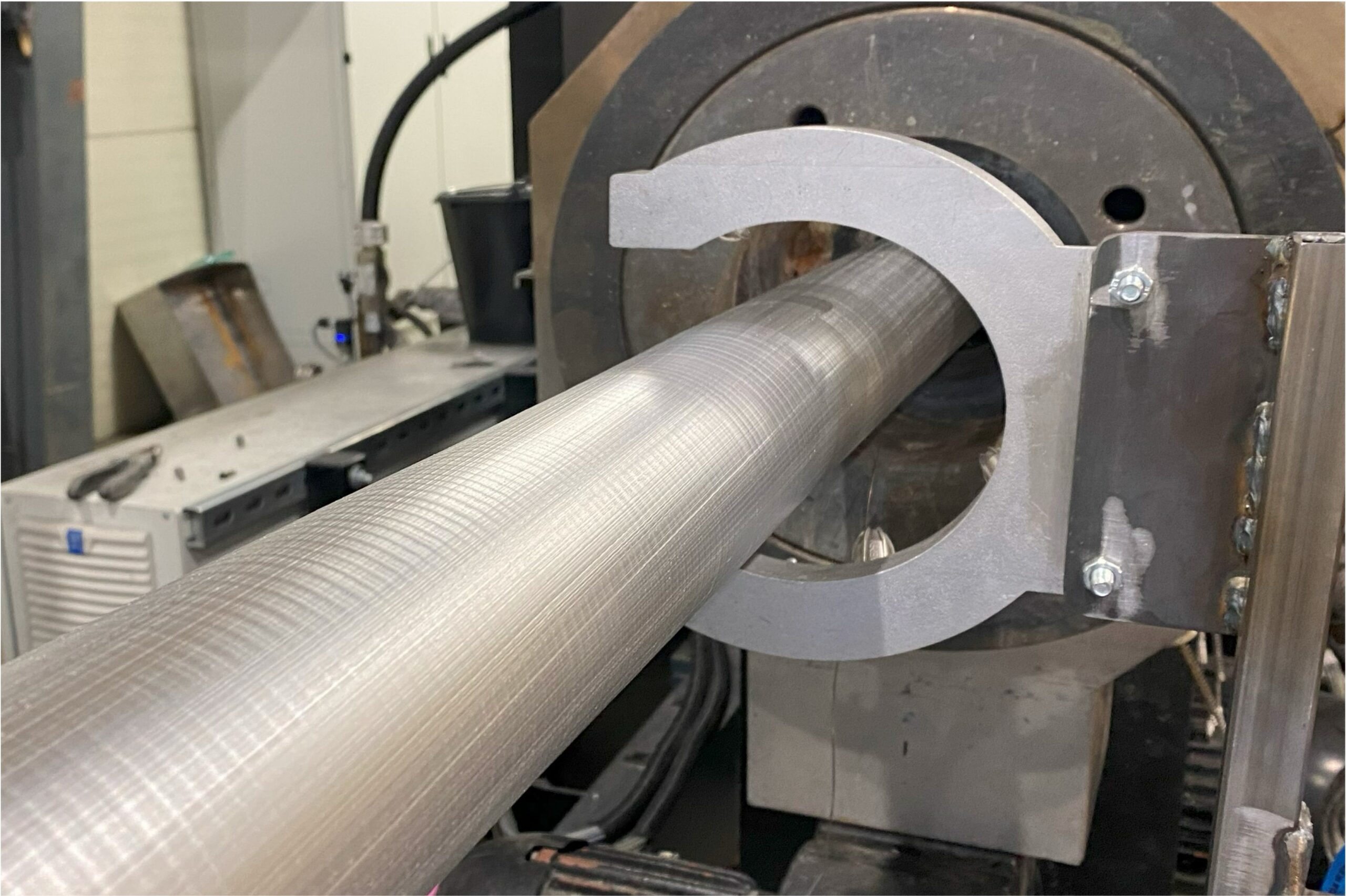
We use a combination of pressure and controlled friction to bond scrap particles together at a molecular level.
- Feeding: The system is specially designed for “difficult” formats – fines, chips, and turnings.
- Transformation: Inside the extruder, the screw applies intense shear forces. This breaks the oxide skin on the metal fragments while generating frictional heat (safely below the melting point).
- Solid-state welding: Under high pressure, the fragments form new metallic bonds across particle boundaries, creating a dense, homogeneous mass.
- Output: The material is forced through a die, shaping it directly into the final product – from wire rods to complex profiles.
The result? An industrial solution that turns low-quality scrap into high-specification material with total traceability and zero traditional melting losses.